Home Renovation Services Focused on Practical Design
Transform Your Home: Premier Remodeling Services for Shared Spaces
House remodeling presents an opportunity to elevate common areas, improving both functionality and aesthetics. By emphasizing key spaces like kitchens, living rooms, and dining areas, homeowners can create welcoming environments that foster connection. Careful design choices, including open concepts and appropriate flooring, play a significant role in this transformation. Understanding these elements is critical for anyone considering a remodel. What specific changes can really make a difference in your home?
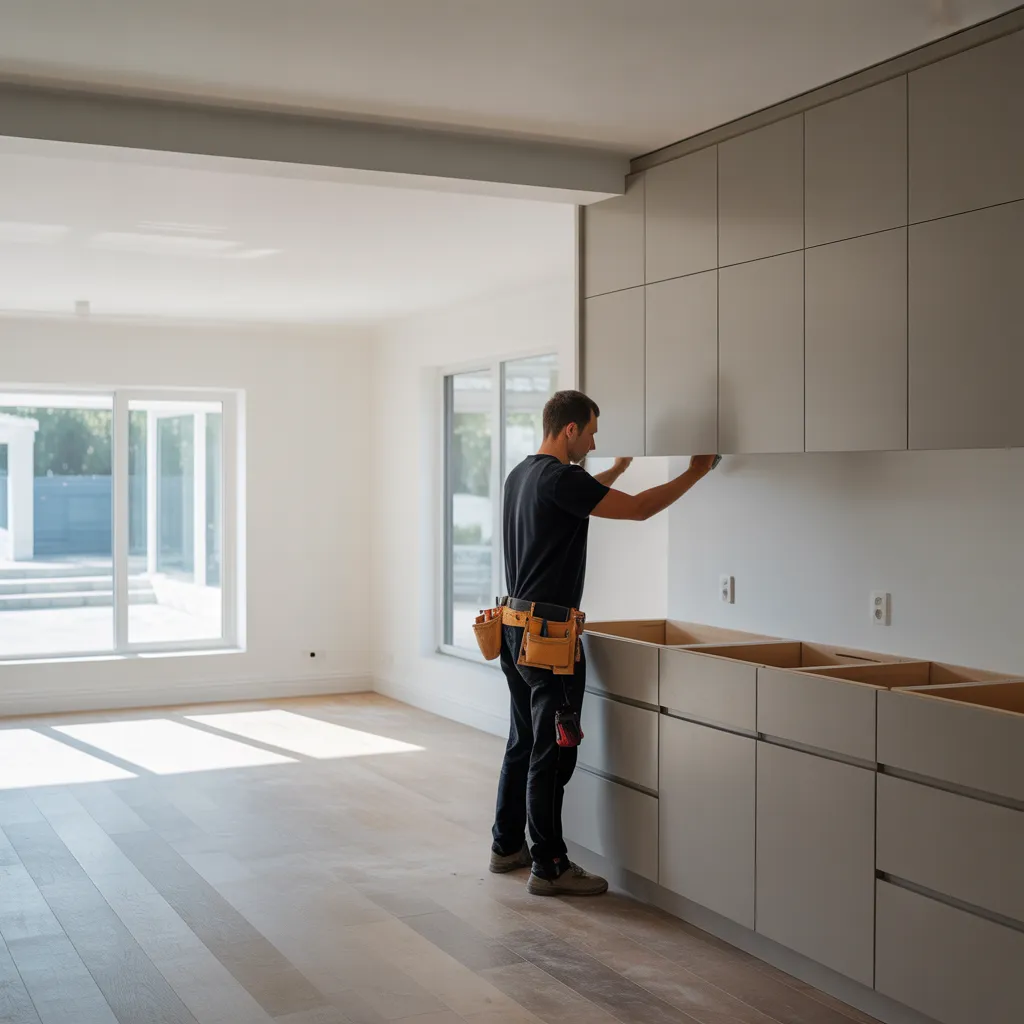
Kitchen Renovation: Enhancing Function and Aesthetics
What creates a kitchen that's both functional and stylish? A carefully planned kitchen balances aesthetics with practicality, making certain that every element serves a purpose. Smart layouts that facilitate efficient workflow are essential, often utilizing the classic work triangle between the stove, sink, and refrigerator. Premium materials, such as granite countertops and custom cabinetry, not only improve the kitchen's appearance but also boost durability.
Lighting serves a vital function in establishing the ambiance and ensuring visibility for culinary tasks. A combination of general, focused, and decorative illumination can produce a inviting environment while delivering required illumination. In addition, integrating up-to-date devices can optimize cooking processes, rendering the space more accessible. Storage solutions, such as pull-out shelves or spacious compartments, enhance room efficiency and order, maintaining a clean atmosphere. In the end, the combination of utility and design in kitchen remodeling changes the heart of the home into a warm and functional space for culinary activities and entertaining.
Living Room Improvements: Building a Comfortable and Appealing Atmosphere
Building a inviting and comfortable living room frequently starts with thoughtful color palette selection, which can set the mood for the entire space. Also, lighting enhancement techniques serve a vital function in highlighting coziness and appeal. In tandem, these elements evolve a typical living room into a comfortable haven.
Selecting Your Color Palette
While homeowners commonly overlook the effect of color on ambiance, picking the right color palette can substantially enhance the warmth and inviting nature of a living room. Warm colors such as soft yellows, earthy browns, and gentle reds create a welcoming atmosphere, promoting relaxation and comfort. In contrast, cooler tones including soft blues and greens can evoke serenity, but may not always convey warmth. To achieve a balanced effect, homeowners may opt for a neutral base with accent colors that reflect their personality. Furthermore, incorporating different shades and textures can add depth and interest. Ultimately, thoughtful color selection plays a vital role in transforming a living room into a space that feels both cozy and inviting for family and guests alike.
Illumination Improvement Approaches
A well-chosen color palette sets the stage for a living room, but the right lighting can enhance the overall ambiance even further. Implementing a mix of ambient, task, and accent lighting creates a layered effect that boosts comfort and functionality. Ambient lighting, such as ceiling fixtures or recessed lights, provides general illumination, while task lighting, like floor or table lamps, focuses on specific areas for reading or hobbies. Accent lighting, including wall sconces or LED strips, highlights artwork or architectural features, adding visual interest. Dimmers further increase versatility, allowing homeowners to adjust brightness according to mood or occasion. By thoughtfully combining these lighting techniques, a living room can transform into a welcoming and inviting space that reflects personal style and comfort.
Dining Area Transformations: Enhancing Your Dining Experience
Renovating a dining room can substantially elevate the overall dining experience. Important components such as picking an inviting color palette, optimizing lighting, and organizing furniture thoughtfully play crucial roles in creating memorable meals. These aspects not only influence aesthetics but also promote a warm and welcoming atmosphere for gatherings.
Color Palette Options
How can the right color palette elevate the dining experience? A carefully chosen color scheme can transform a dining room into a welcoming space that enhances meals and conversations. Warm tones, such as deep reds or earthy oranges, promote appetite and create an inviting atmosphere, while cooler shades such as gentle blues and greens can encourage relaxation. Neutral hues, matched with lively essential guide accents, deliver a well-rounded strategy that suits different tastes.
Integrating colors that showcase personal style and complement existing decor can make the dining area feel harmonious. Eventually, the right palette not only affects mood but also improves the overall aesthetic, making dining experiences more memorable for family members and visitors.

Illumination Improvements
Well-planned lighting can significantly improve the dining experience, creating an welcoming ambiance that encourages connection and enjoyment. Purposefully selected fixtures, such as pendant lights or chandeliers, can serve as focal points while providing adequate illumination for meals. Dimmer switches allow for adjustable lighting, enabling a transition from bright, energetic settings for family gatherings to gentler, intimate lighting for romantic dinners. Incorporating under-cabinet lighting or wall sconces can add layers of warmth and depth, enriching the overall aesthetic. Furthermore, using warm-toned bulbs can create a cozy atmosphere, making the dining room feel more welcoming. Overall, strategic lighting choices not only improve the dining experience but also transform the space into a memorable setting for shared moments.
Furniture Layout Suggestions
What defines a dining room truly appealing? Strategic furniture arrangement plays a crucial role. A generous layout fosters conversation and connection, allowing guests to feel at ease. Placing a rectangular table centrally can enhance space, while round tables promote intimacy. Providing sufficient space between chairs and walls enables movement and accessibility.
Adding a buffet or sideboard can improve functionality, offering storage and serving space, while also contributing to the room's aesthetic. Moreover, combining larger pieces with lighter decor can create a cohesive environment. Ultimately, strategically positioning seating options, such as banquettes or accent chairs, can enhance comfort and warmth, finally transforming dining experiences into memorable gatherings.
Open Layout Concepts: Merging Spaces for Present-Day Living
As residents increasingly aim to design comfortable and efficient living spaces, open concept designs have become established as a preferred solution for combining areas such as the kitchen, dining room, and living room. This architectural concept encourages a seamless flow between spaces, allowing for greater interaction among family members and guests. By eliminating walls, open concept designs improve natural light and create an airy atmosphere, making homes feel bigger and more inviting.
The adaptability of open layouts supports diverse design styles, from minimalist to contemporary, enabling homeowners to tailor their spaces according to their preferences. Moreover, these designs can enhance functionality, as they deliver more space for socializing and daily activities. Nevertheless, thorough planning is vital to make certain that each area preserves its specific purpose while contributing to a cohesive overall aesthetic. Finally, open concept designs represent modern living trends, emphasizing connectivity and comfort in home environments.
Flooring Choices: Choosing the Ideal Materials for Your Home
Selecting the perfect flooring materials is vital for enhancing both the aesthetics and functionality of a home. Homeowners can select from a range of options, each with different characteristics that cater to different needs. Hardwood offers timeless elegance and durability, making it a preferred choice for living areas and bedrooms. Laminate provides a budget-friendly alternative, replicating the appearance of wood while being more resistant to scratches and moisture.
When it comes to high-traffic spaces, tile flooring stands out for its robust quality and straightforward care, with a wide array of designs and colors available. Vinyl, a flexible alternative, is comfortable to walk on and moisture-proof, ideal for kitchens and bathrooms. Carpet can add warmth and comfort, perfect for cozy spaces like family rooms. At the end of the day, selecting the right flooring means assessing factors such as lifestyle, maintenance needs, and design preferences, guaranteeing a harmonious balance between style and practicality.
Illumination Services: Illuminating Common Areas Using Elegance
What role does proper lighting play in transforming shared spaces into welcoming environments? Thoughtfully chosen lighting solutions can elevate the aesthetic appeal and functionality of spaces like living rooms, dining areas, and hallways. By incorporating a blend of ambient, task, and accent lighting, homeowners can create a harmonious environment that supports both relaxation and social interaction.
Sophisticated fixtures, like chandeliers or pendant lights, can serve as focal points, while recessed lighting provides a subtle glow that complements the overall design. Dimmers provide flexibility, permitting the adjustment of brightness depending on the occasion.
Additionally, the strategic placement of wall sconces and lamps can showcase architectural features or artwork, contributing character to the space. Overall, effective lighting not only illuminates common areas but also enriches the overall atmosphere, making them more attractive and delightful for occupants and visitors alike.
Common Questions
How Can I Create a Budget for a Home Remodeling Project?
When budgeting for a home renovation project, it's important to evaluate expenses for materials, labor, and permits. Establishing a practical budget that accounts for surprise expenses and distinguishes between needs and wants throughout is vital.
What Permits Must Be Obtained for Common Area Renovations?
Based on the project scope, permits may involve building, electrical, plumbing, or zoning approvals. Municipal codes vary, so consulting with the local building department ensures compliance and helps eliminate potential fines or project delays.
How Much Time Does an Average Remodeling Project Require?
A typical remodeling project commonly takes anywhere from several weeks to several months, based on the scope and complexity of the work. Elements such as design approval, permit acquisition, and contractor availability can substantially affect the timeline.
Can I Continue Living in My Home Throughout the Renovation Process?
Yes, residents can continue living in their homes throughout the renovation process, but it frequently copyrights on the magnitude of the work. Noise, disruptions, and restricted room access may present challenges, calling for careful planning and communication with contractors.
What Must I Keep in Mind When Hiring a Remodeling Contractor?
When engaging a remodeling contractor, one must examine their track record, client testimonials, credentials, insurance, and communication abilities. It's vital to secure multiple quotes, check references, and confirm alignment with project timelines and budget expectations.